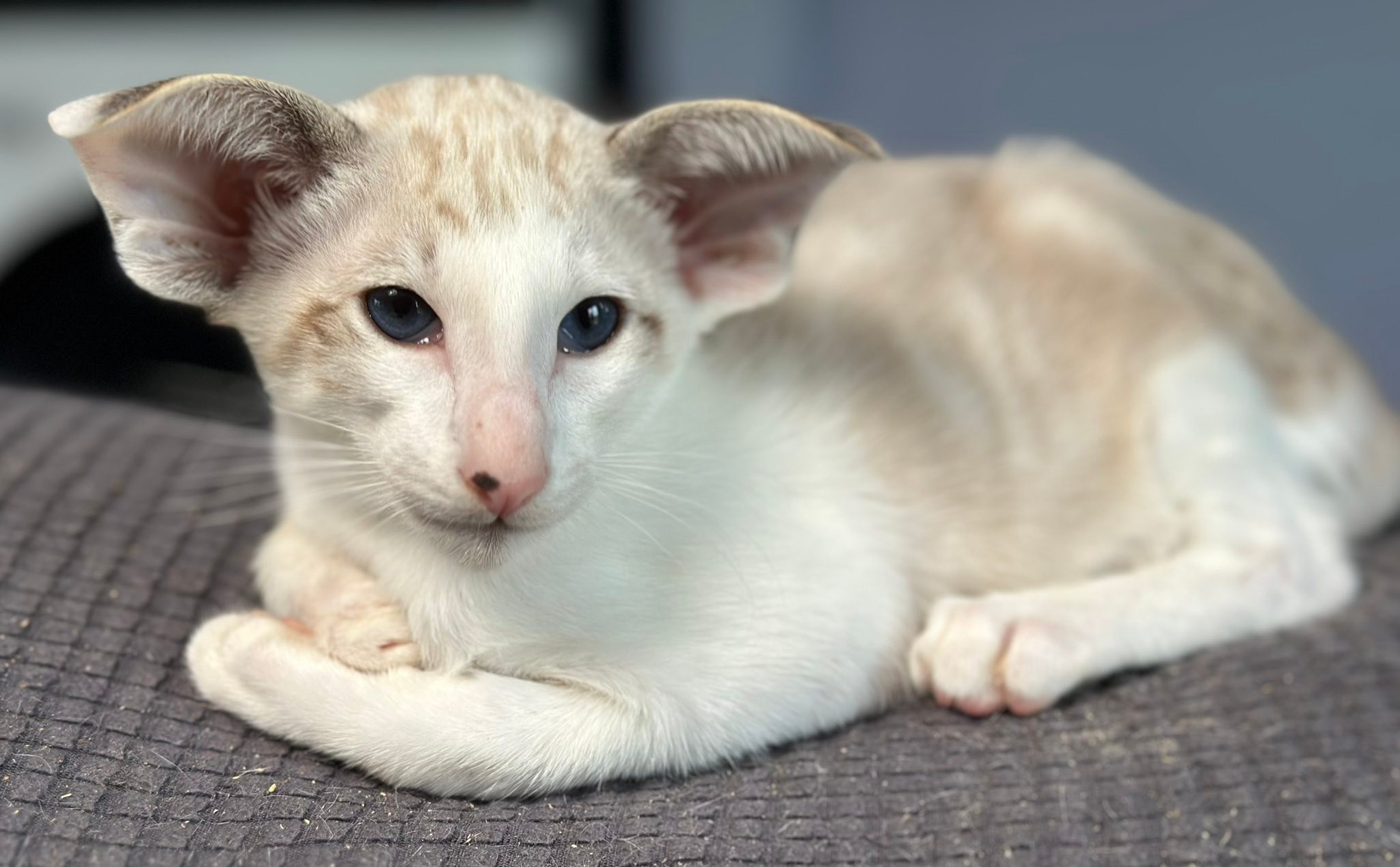
This is not a retail store
I don’t need cattery income, and I care far more about the cats than I do about you. The application process isn’t difficult, but the second my red-flag detection goes off, you’re done.
The financial point is not martyrdom. It is that the economic incentives do not explain the decisions.
The obvious costs arrive every day
Let me be blunt. These cats are expensive.
In January 2026, my veterinary costs were pushing $1,000 on each placement. We were using twelve cans of wet food a day, every day, 365 days a year, which came out north of $8,000. That was before acquiring new genetics or putting show titles on them.
Food, litter, vaccination, alteration, microchips, routine veterinary care, emergency veterinary care, registration, equipment, climate control, cleaning, show entries, hotels, gasoline, airfare, couriers, and imported genetics all get paid whether a litter produces a placement or not.
The old ledger was not subtle
For 2022, I wrote that the cattery cost me approximately $34,000 on income of about $4,100. That was a dated annual figure, not a permanent price sheet, but the direction of the arithmetic has remained remarkably consistent.
The loss cannot simply be used to defray salary income. It is only useful for offsetting cattery income. Tax law does not convert a loss into a profit merely because somebody saw an expensive kitten.
Between food, veterinary costs, and keeping bloodlines fresh, the kitten can still be a loss to the breeder.
There is no economy of scale here
I’m not a big enough breeder, by choice mind you, to always have kittens coming and going. The kittens that leave here have had love and attention lavished on them from the moment of birth.
I guess I could have more Grand Champions and more shows and more everything—except money; there is no economy of scale here—with a bigger program, but then I wouldn’t be producing the same cats.
A queen may require a human at home, three clean towels in precisely the right arrangement, and nursery service four times a day. Kittens may require feeding or observation around the clock. A sitter may not understand the queen’s requirements. The labor does not become less real because no one sends an invoice for it.
The labor is not confined to the cattery
I work roughly 55 hours a week as an attorney with production requirements. Writing, photography, answering questions, and maintaining the public record amount to an unpaid part-time job. The cattery tragically will not clean itself.
Showing means entry fees, travel, equipment, grooming, and entire weekends. Gasoline and airfare can put distant shows out of reach even when the cat deserves the campaign.
Three longtime breeders I knew quit in a single year, and others radically curtailed litters because they were senior citizens unable to throw around litter bags, travel to shows, and get out of bed every couple of hours for weeks.
The money is one constraint. The body and the clock are others.
Price is not the value of the cat
A price helps carry veterinary care, food, sunk risk, the kittens who did not survive, and the continuity required to produce the next healthy generation. It does not purchase priority over the cat’s welfare.
If the arithmetic were the point, I would stop. The price is a partial recovery of costs, not a valuation of the animal and not an auction for my judgment.
The kitten has a price. The relationship does not.