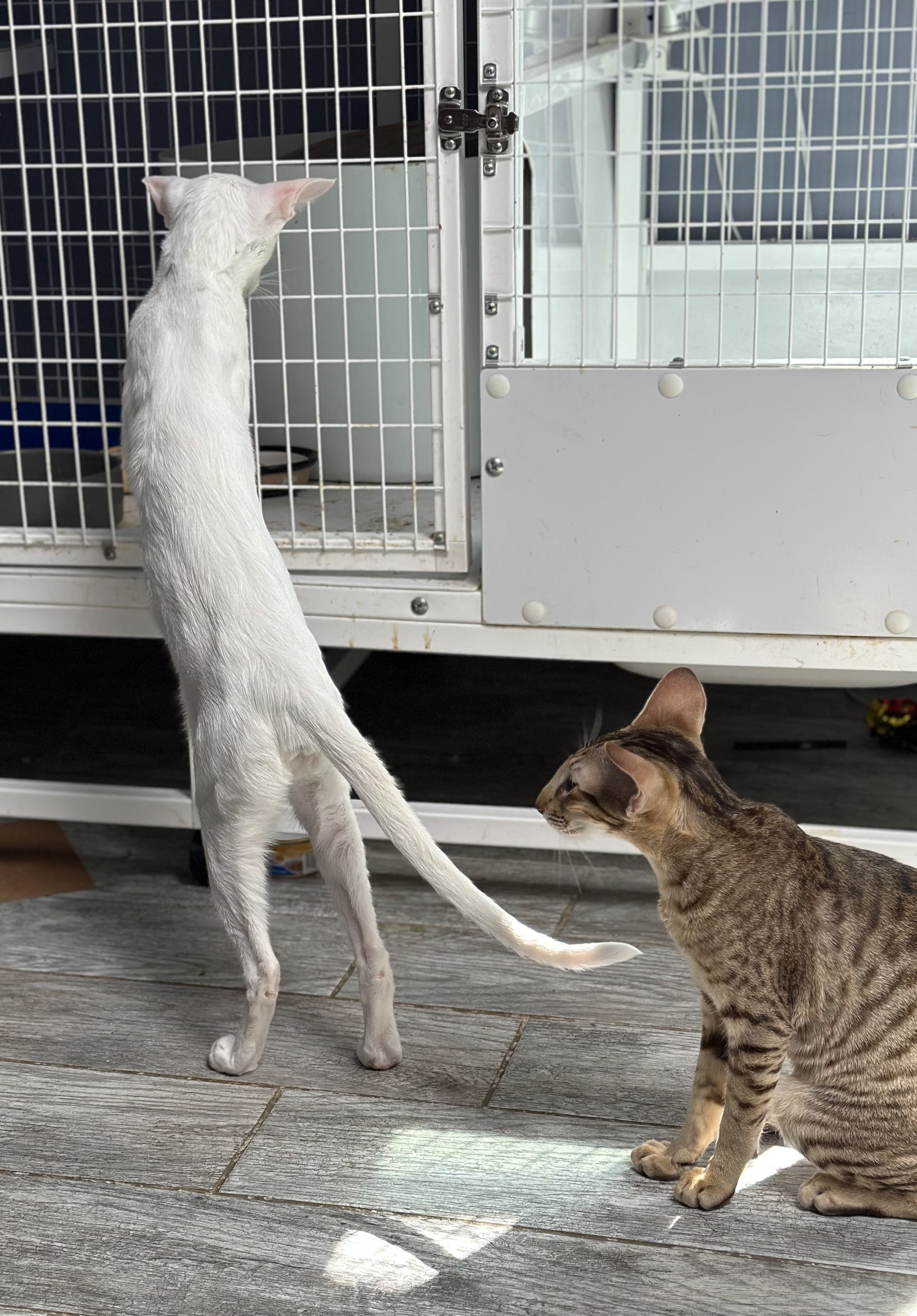
UltraVires is small by choice. The cats live in the household, but “they all run loose together and nature sorts it out” is not a management plan. Intact cats require separation. Queens require privacy. Young kittens require protection from adult feet, adult enthusiasm, and their own complete lack of judgment.
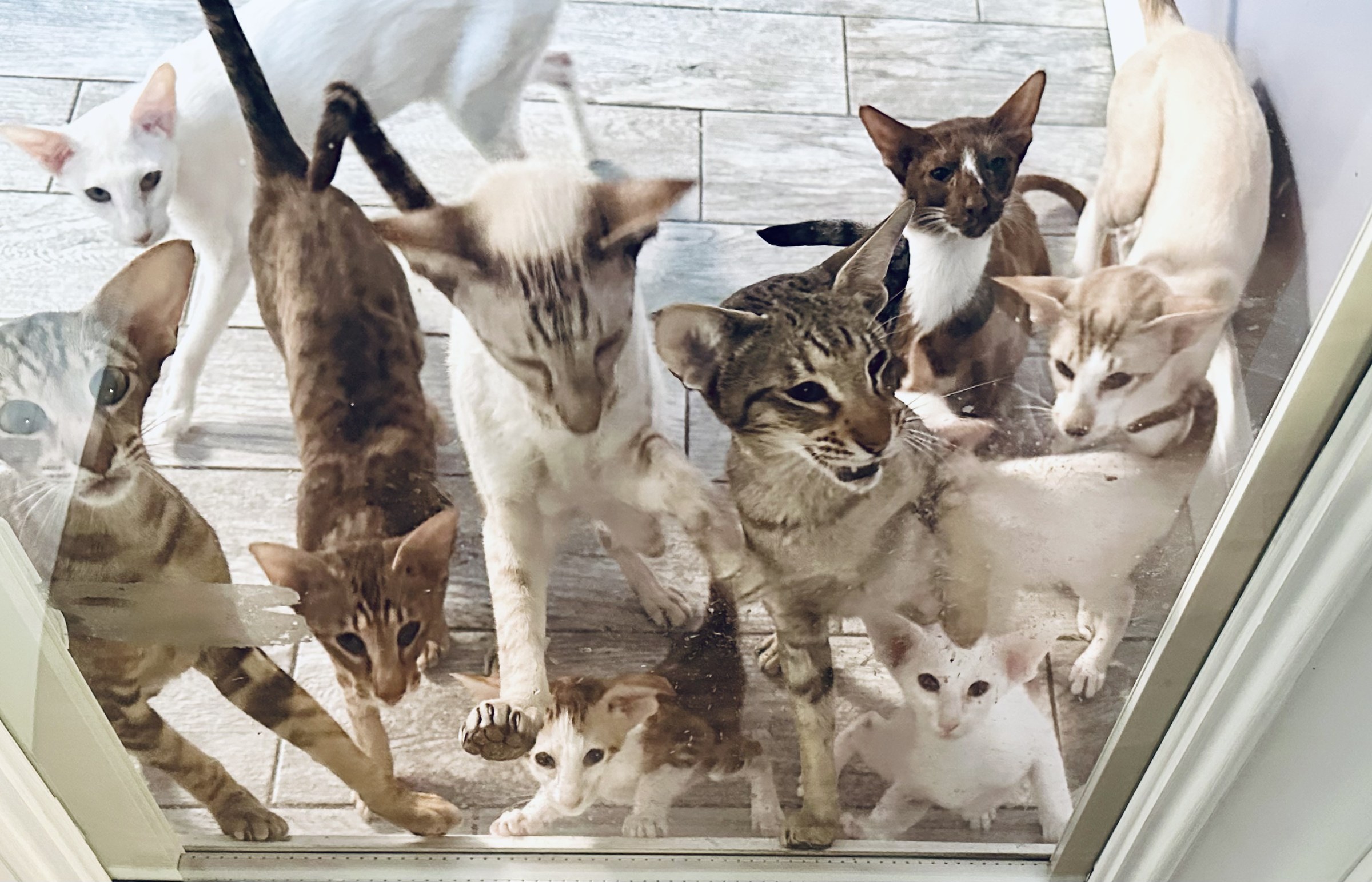
Pens have jobs
A pen may prevent an unwanted breeding, give a queen the nest she selected, protect kittens while nobody is watching, or isolate a cat who needs observation. It is not a substitute for household life.
New kittens remain protected until they are strong and agile enough to avoid injury from adults. As they grow, supervised territory expands. The point is not confinement. The point is reaching freedom with the same number of functioning kittens.
“Cage-free” is a slogan. Safety requires verbs.
Cleanable beats charming
Nursery equipment needs removable trays, surfaces that tolerate disinfectant, and shapes that do not trap a newborn in a corner. Towels need to survive hot washing, steam, and whichever queen has become the current director of linens.
Cardboard is inexpensive and cats enjoy it. It is also absorbent, difficult to disinfect, and generously supplied with ninety-degree angles. Useful equipment does not need to resemble a lifestyle catalog. It needs to come clean.
Separation is part of observation
A cat who is eating poorly can disappear into a group and leave the humans guessing. A nursing queen can lose weight while looking busy and competent. A kitten can miss meals because the larger kittens are professional wrestlers with no respect for equitable access.
Individual spaces make food, water, litter, nursing, and behavior legible. They answer the first practical question: what is this cat actually doing?
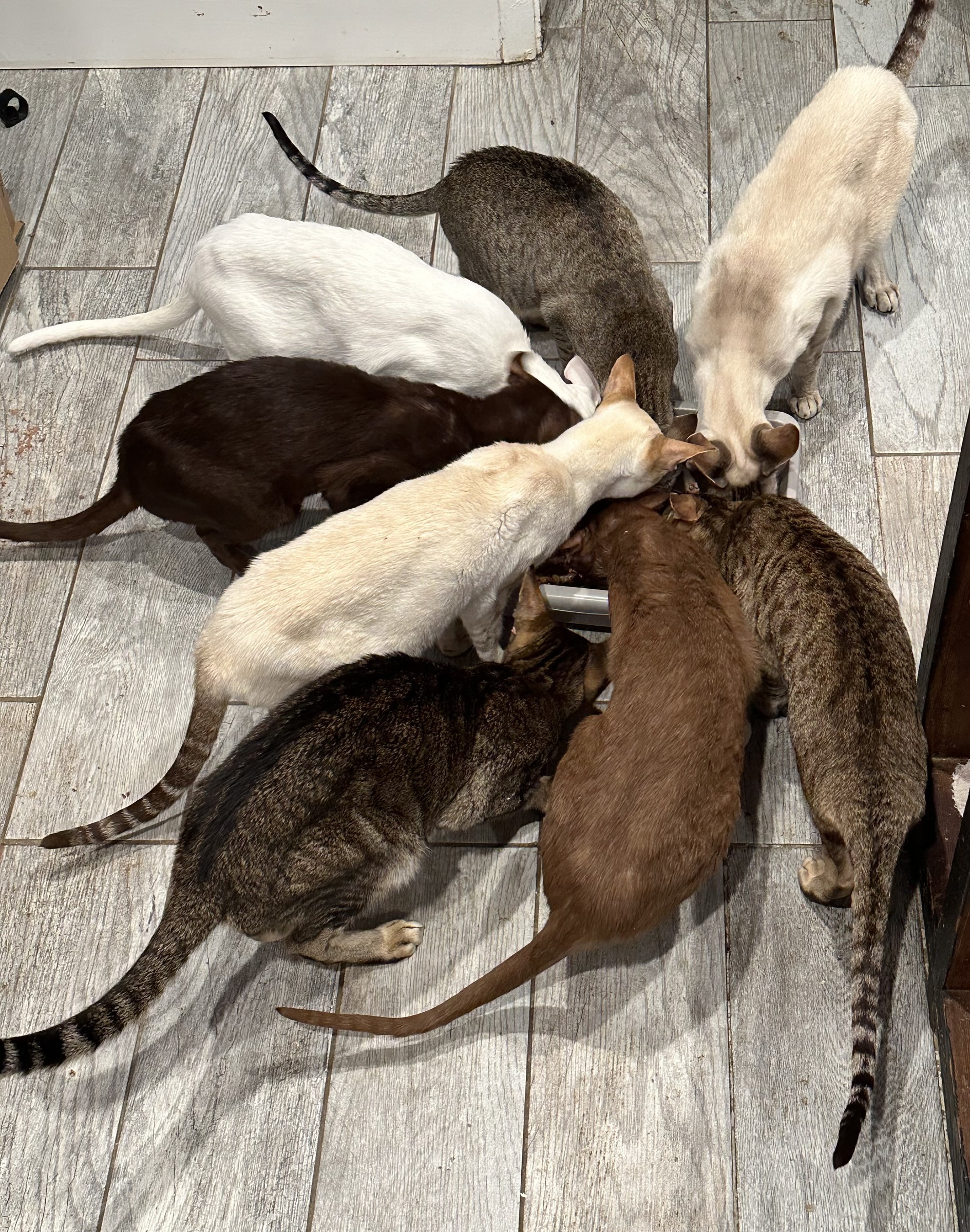
Socialization happens in the household
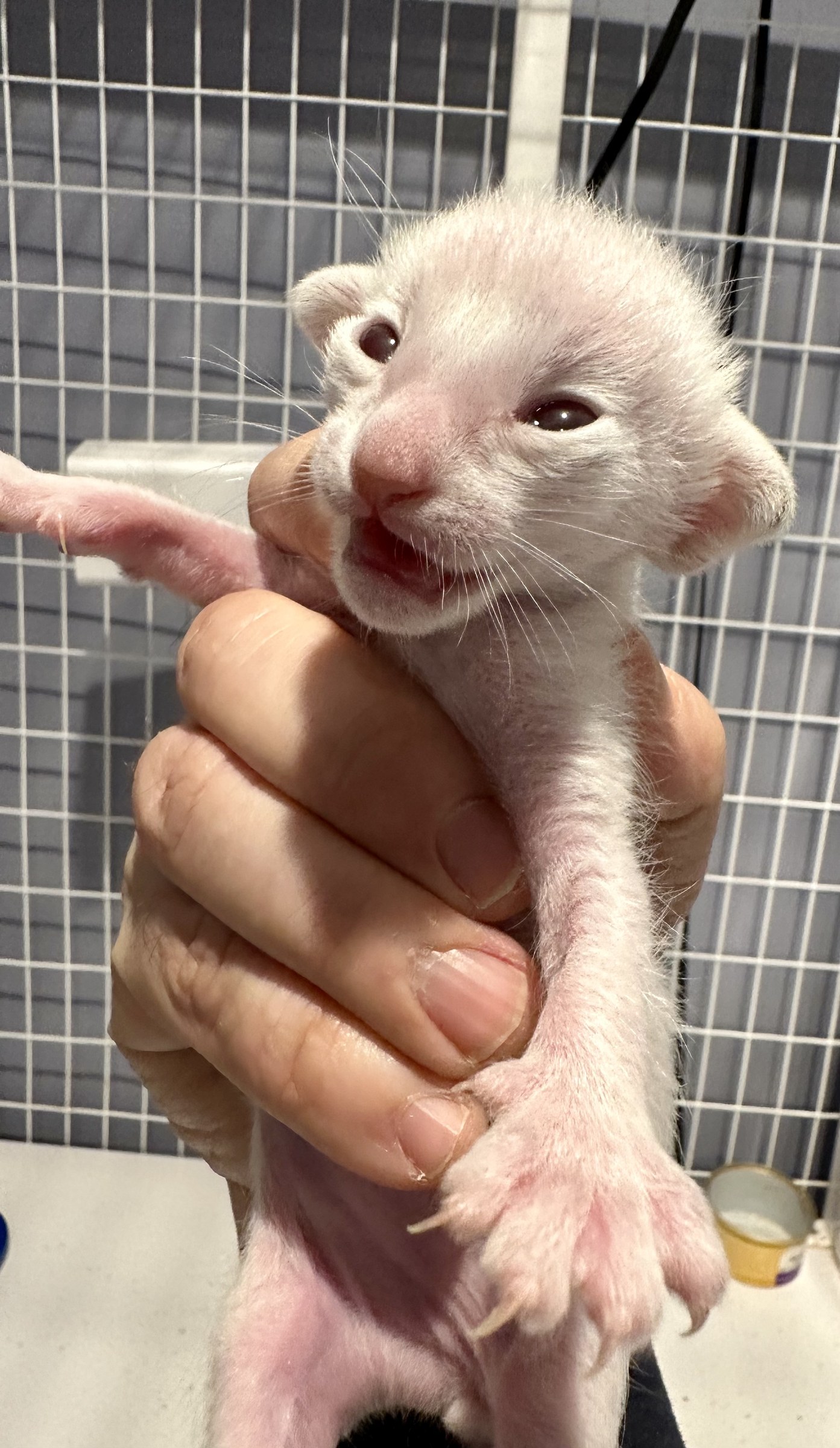
Kittens are handled and weighed from birth. They learn voices, hands, household sounds, ordinary interruptions, and the complicated fact that humans sometimes insist on looking in their mouths.
As they become physically ready, they meet the adult cats and larger parts of the home under supervision. Socialization is not a ten-minute ceremony. It is daily life, repeated until the kitten regards human involvement as normal and perhaps slightly inefficient.
The house has to serve the cats
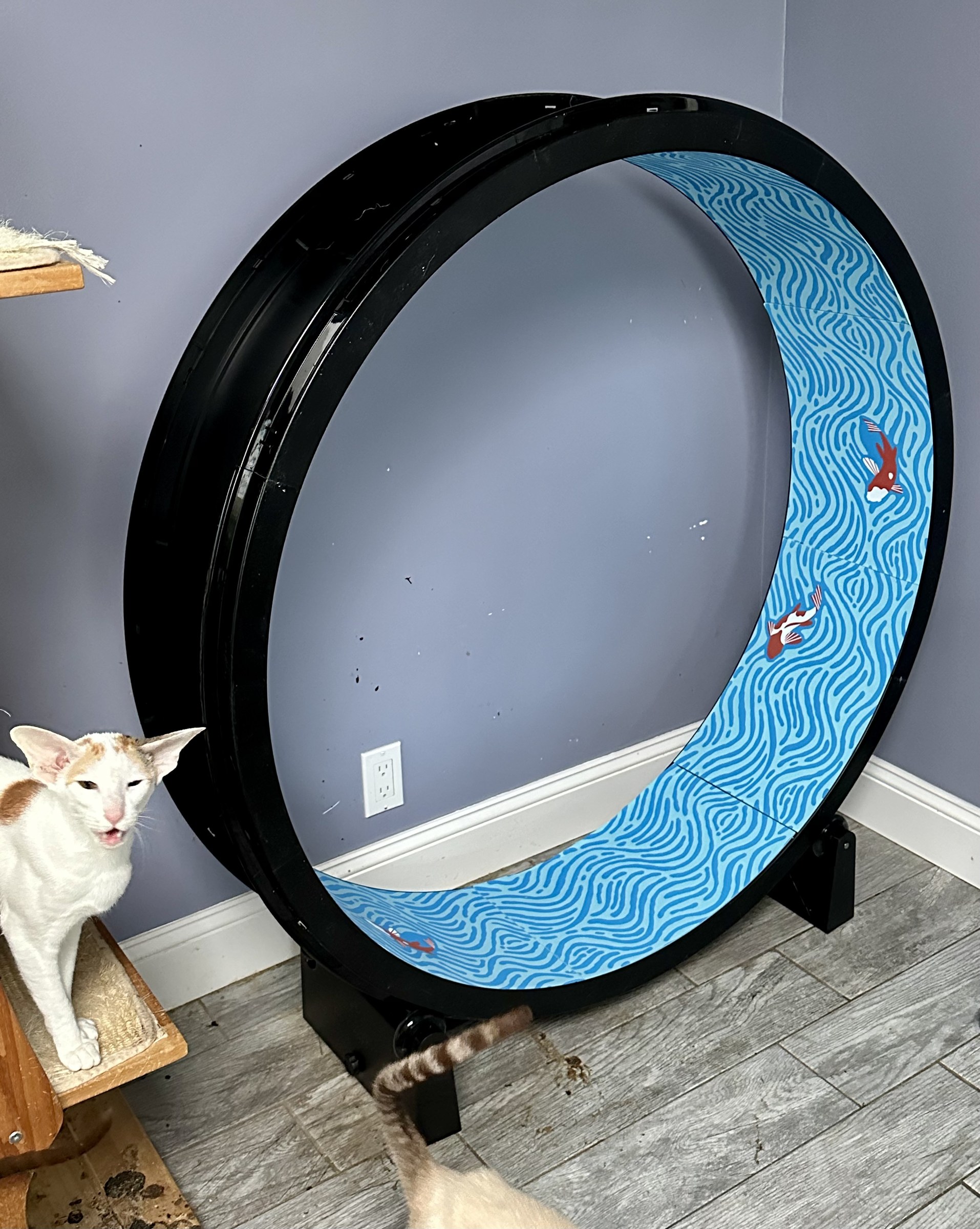
Oriental Shorthairs do not become less active because the humans purchased respectable furniture. They need vertical space, scratchers, wheels, toys, and room to turn athletic ability into something other than a building-code dispute.
Knowing the individual cat
I work at home, which means I can see small changes in routine before they become large ones. Equipment helps. Cameras help. Neither one knows that a particular queen has rejected a perfectly clean nest because the third towel is folded incorrectly.
The cattery works because the physical system and the observed cats inform each other. A rule is useful until the animal in front of me supplies better evidence.
Why visits are limited
This is a private home and a working animal space, not a retail showroom. Uncontrolled traffic creates security and disease risks without improving the cats’ welfare. Prospective families can verify me, see current photographs and veterinary records where appropriate, speak with references, and meet at a show or another sensible setting.
Transparency does not require publishing a floor plan or turning a nursery into an attraction.