The claim begins with what I actually saw
I can tell you what I do, what I have seen, what I think, why I think it, and what changed my mind.
Those are different categories. What I saw is not necessarily why it happened. What I suspect is not what a veterinarian diagnosed. What happened once is not automatically a rule for the breed.
A serious public record keeps those distinctions visible instead of compressing observation, inference, and conclusion into one confident sentence.
Repeated observation creates a different kind of knowledge
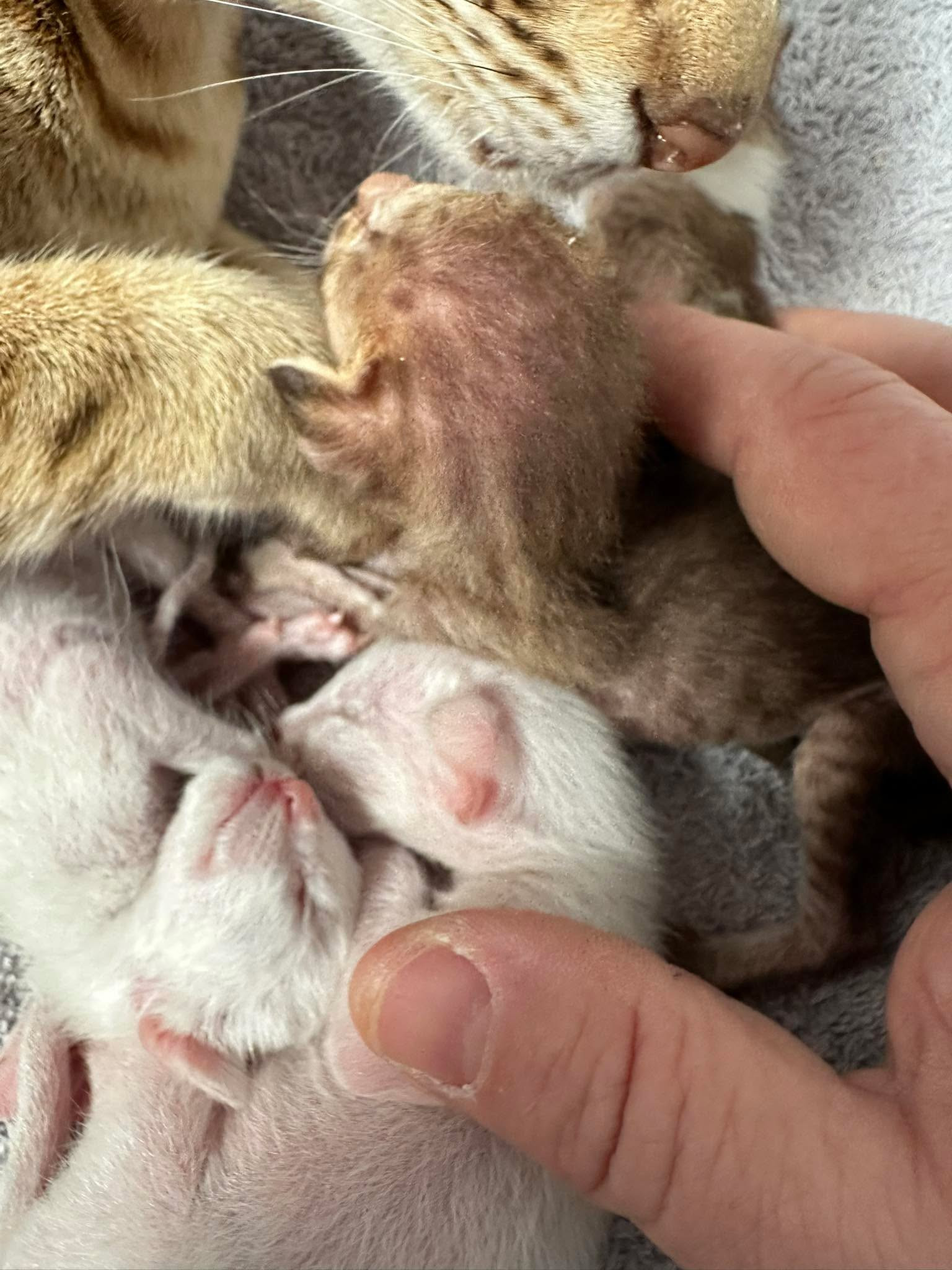
I weigh newborns, watch them nurse and wean, evaluate kittens as their structure and temperament emerge, live with related cats, show them under different judges, and hear from families years after the kittens leave.
No single observation proves much. Patterns across litters, relatives, households, veterinary records, and time can become difficult to ignore.
A breeder sees the family across generations. That view is valuable precisely because it is longitudinal, not because it is infallible.
Anecdote gets a warning label
I have five decades of intensive cat exposure. I also concede that anecdotes are a poor class of evidence.
Experience can identify the question, supply history, reveal a pattern, or justify caution. It does not become controlled research merely by accumulating years and confidence.
I will happily read authority that contradicts me. The useful response is to examine the source, the population, the question it actually answered, and whether it applies to the cats in front of us.
The unfavorable evidence counts
A show win is evidence. So is a cat who cannot tolerate showing. A beautiful kitten is evidence. So is a kitten who was beautiful and frail. A successful litter counts. So do difficult pregnancies, failed weaning, adults who become ill, and families reporting how related cats age.
The record is not credible if only the favorable exhibits are admitted.
That is why observations have ended breedings, retired cats, changed how I evaluate robustness, brought in new genetics, and altered the questions I ask before repeating a pairing.
The witness has limits
Not every fetus gets the same quality of blood flow. Not every neonate is viable. Not every loss reveals a cause worth pretending we found. We can conform feline reproduction to human expectations only to the extent that we have a viable living kitten to work with.
There is a wide gulf between a skilled breeder and miracles.
The honest boundary is not defeatism. It is the point where evidence stops and wishing begins.
The record should be able to testify against me
An honest account preserves the early confidence, the later result, and the decision that followed. If the old position disappears whenever it becomes inconvenient, the account is advertising.
I can explain the reasoning and let the dates remain visible. I can distinguish what I observed from what I inferred. I can say what changed.
I can be wrong in public.